
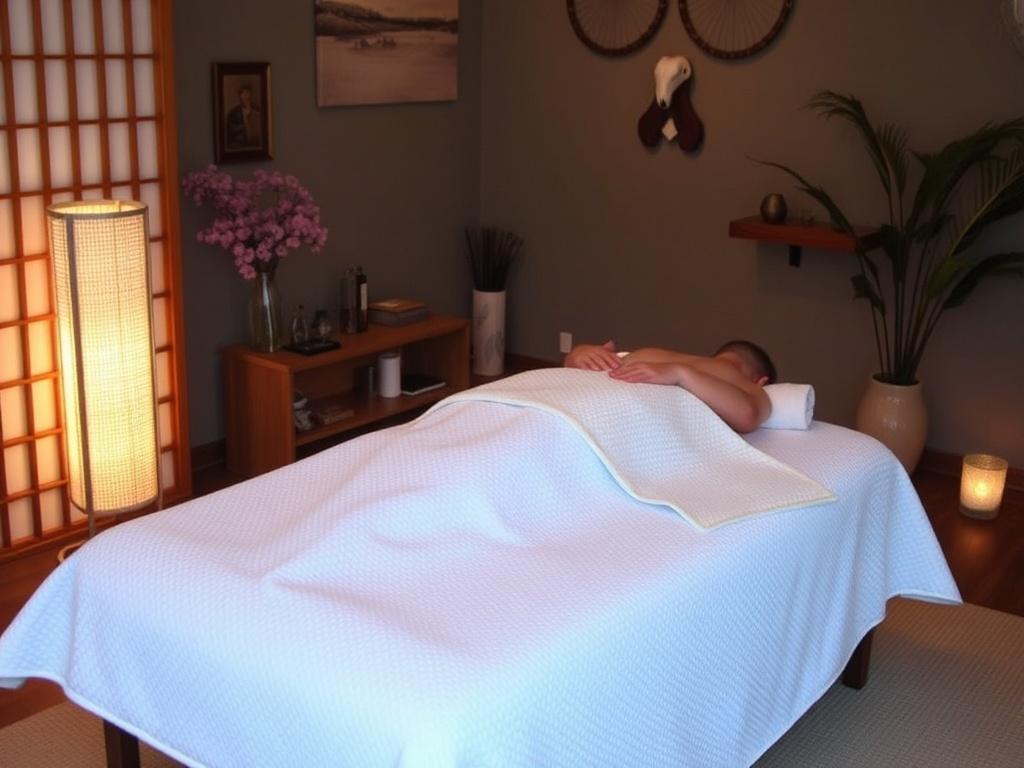
Walk into a softly lit room, breathe out, and let something older than modern wellness clinics take over. Japanese massage blends centuries of practical touch with surprising simplicity — firm pressure, precise rhythm, and an insistence that body and breath belong together. In New Jersey, this tradition has found quiet corners in towns and city neighborhoods where trained therapists offer shiatsu, anma, and kobido facials that feel both skilled and sincere.
If you’re curious about what “Japanese massage NJ” really means beyond buzzwords, this guide will map the techniques, what to expect in a session, how to choose a reputable place, and even how to fold a massage into a night out in Manhattan. Read on for practical tips, good questions to ask, and a few image ideas for social posts.
What Makes Japanese Massage Different
At its core, Japanese massage emphasizes pressure along energy lines and an economy of motion. Unlike some spa modalities that favor long, gliding strokes, techniques like shiatsu use finger and palm pressure, often applied rhythmically and directly to acupuncture points. It feels intentional: precise pressure rather than endless rubbing.
Another distinction is the focus on breath and posture during treatment. Sessions often feel like a conversation between therapist and body — subtle adjustments, pressing, and holding to encourage release. The result is physical relief that sometimes arrives quietly, without drama.
Popular Techniques and What to Expect
Shiatsu is the most widely known: it’s performed on a futon or massage table, with the client clothed in comfortable garments. Therapists use thumbs, palms, and sometimes feet to apply pressure. Anma is an older Japanese tradition focusing on kneading and tapping, often combined with techniques to stimulate circulation. Kobido is a refined facial massage that aims to lift and tone through precise, rhythmic movements.
Expect sessions to range from 30 to 90 minutes depending on goals. A therapist will usually ask about pain, recent injuries, and preferences before beginning. If you’re sensitive to deep pressure, say so up front; a good practitioner will adapt.
| Technique | Primary Focus | Pressure | Typical Session |
|---|---|---|---|
| Shiatsu | Acupressure along meridians | Firm to deep | 45–90 minutes, clothed |
| Anma | Kneading, tapping, circulation | Moderate | 30–60 minutes, clothed |
| Kobido | Facial toning and relaxation | Delicate to moderate | 30–60 minutes, face-focused |
Where to Find Authentic Japanese Massage in NJ
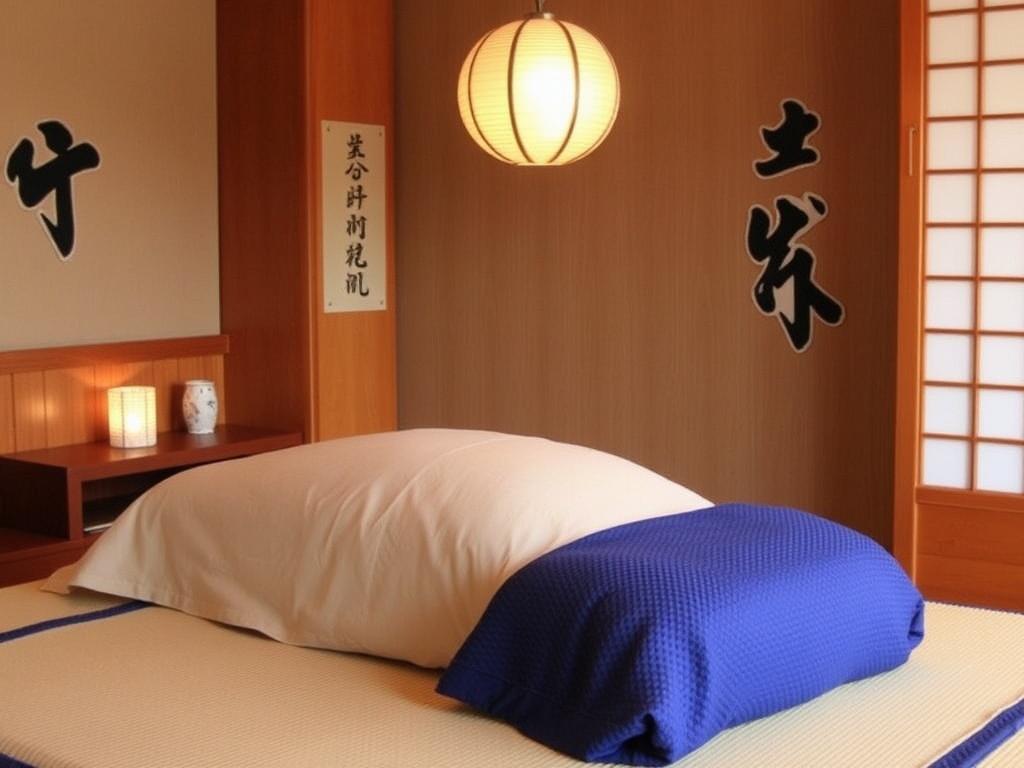
Authenticity usually shows in training and atmosphere. Look for therapists who cite specific certifications or apprenticeships in shiatsu, anma, or kobido. Many genuinely trained practitioners have studied under recognized teachers or at dedicated institutes.
A good place will be transparent about its services, pricing, and boundaries. Cleanliness, a calm waiting area, and clear communication are signs of professionalism. Reviews help, but a quick phone call can reveal how the staff answers questions and whether they prioritize client safety.
- Check credentials and training in Japanese modalities.
- Confirm session length and what’s included.
- Ask about the therapist’s focus areas and experience.
- Look for clear hygiene and cancellation policies.
Combining a Night Out in Manhattan with a Relaxing Massage in NJ
New Jersey’s proximity to Manhattan makes it easy to pair a massage with an evening in the city. Start with a late-afternoon treatment to unwind before dinner, or use a morning session to reset after a long night. Commuting by PATH, light rail, or car keeps options flexible.
Timing matters. If you plan to walk around Manhattan afterward, choose a moderate pressure session so you leave relaxed, not sore. If a deeply restorative session is what you want, allow time to rest before hitting the city nightlife.
| From (NJ) | To Midtown Manhattan | Typical Travel Time |
|---|---|---|
| Jersey City | Midtown | 20–30 minutes (PATH + subway) |
| Hoboken | Midtown | 25–35 minutes (PATH + subway) |
| Fort Lee | Midtown | 30–45 minutes (bus or car) |
Images to Use
Choose visuals that feel calm and professional. Images should communicate trust, skill, and urban contrast: soft-lit treatment rooms, therapists in clean uniforms, and close-ups of hands working across a back or face. Avoid sexualized poses; focus on technique and serenity.
- Portraits of massage therapists mid-treatment, hands visible and precise
- Serene treatment rooms with warm tones and minimal decor
- Kobido facial scenes showing gentle touch around the eyes and jawline
- Nighttime Manhattan skyline shots to pair city life with relaxation
Social Media Hashtags
When you post, captions that mix curiosity with practical info perform well. Mention the technique, duration, and a location note to help followers decide. Add a few tailored hashtags to broaden reach.
- #JapaneseMassageNJ
- #ShiatsuNJ
- #KobidoFacial
- #NJWellness
- #ManhattanNights
- #RelaxInNJ
Заключение
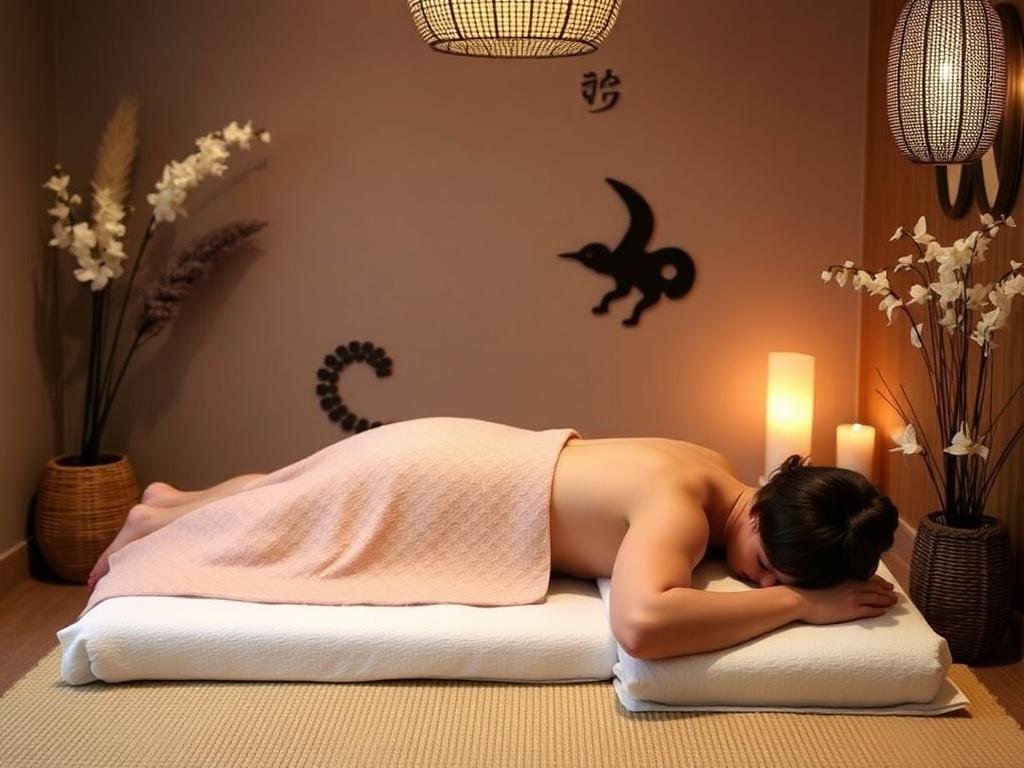
Japanese massage in New Jersey offers a clear alternative to mainstream spa treatments: focused pressure, rhythmic technique, and a tradition that prizes function over flash. Whether you seek shiatsu for persistent tension, kobido for facial rejuvenation, or simply a skilled pair of hands to help you breathe easier, there are thoughtful practitioners in NJ who honor the methods they practice.
Do a little research, ask the right questions, and choose a setting that feels professional and comfortable. Then book a session, arrive a few minutes early, and let the quiet work its way through your shoulders. The city lights will still be there afterward—brighter for the rest.