
There’s something quietly magnetic about a warm room, soft music, and the slow glide of oil across skin. Whether you’re trying to add depth to a couples’ evening or searching for the perfect product to make your at-home massage feel professional, the right oil and a few simple techniques change everything. This article walks you through oils, safety, atmosphere, easy-to-learn methods that enhance sensual connection without crossing boundaries, and a feel for Manhattan’s best late-night spots to extend the night after your massage.
Why Massage Oils Matter
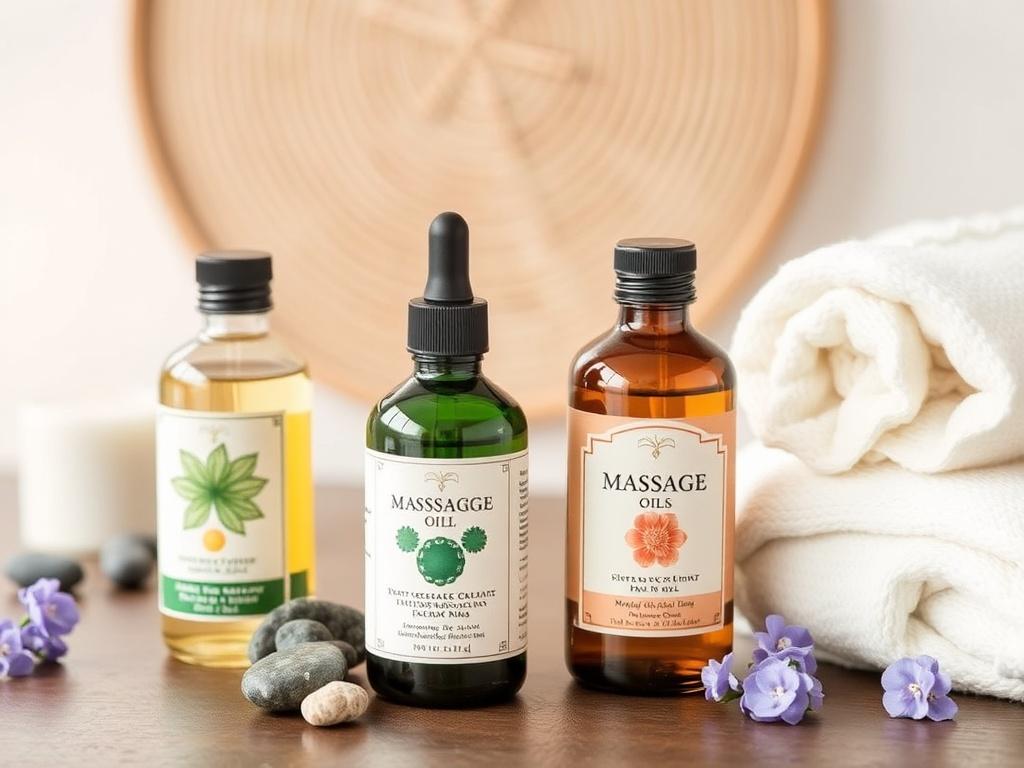
Oils do more than reduce friction. They influence mood, skin health, and how a touch is experienced. Texture and scent set expectations: a lightweight oil invites quick, playful strokes; a richer oil encourages drawn-out, luxurious contact. Essential oils add an aromatic layer that can soothe or enliven, but they should be used sparingly and safely. The right oil helps you focus on presence and communication rather than fighting drag or worrying about irritation.
Think of the oil as your ally in intention. A good choice can protect delicate skin, slide smoothly under different pressures, and—when selected with care—send subtle signals that support relaxation, connection, or sensuality depending on your goals.
Basic categories of massage oils
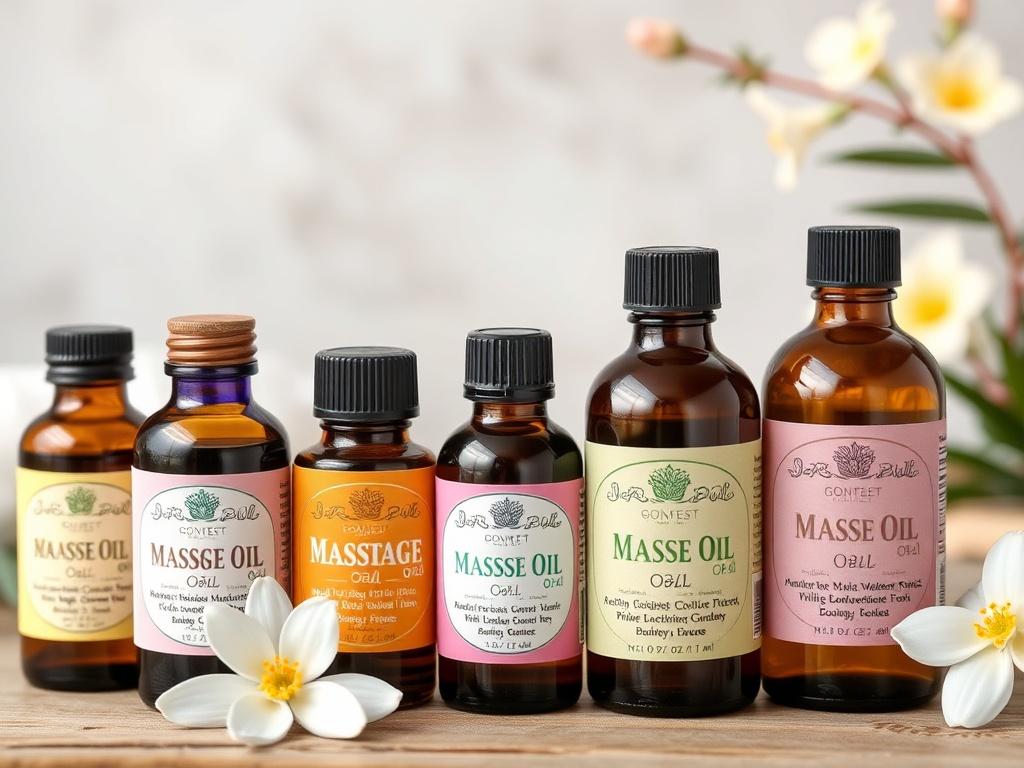
Understanding categories helps you match an oil to mood and skin needs. Carrier oils are the base—neutral, skin-friendly, and safe for larger areas. Essential oils are potent and used for scent and therapeutic accents. Blends combine both for convenience.
| Type | Feel | Best for | Notes |
|---|---|---|---|
| Sweet almond oil | Light to medium | Most skin types, everyday massages | Absorbs reasonably well; not for nut allergies |
| Jojoba oil | Light, non-greasy | Oily or acne-prone skin | Actually a wax; very stable and hypoallergenic |
| Fractionated coconut oil | Very light, silky | Long glides, scent-free options | Won’t clog pores as much as whole coconut oil |
| Grapeseed oil | Thin, fast | Sport-style work or shorter sessions | Affordable and non-greasy |
| Avocado or sesame oil | Thicker, nourishing | Dry skin or deep tissue feel | Rich; best in small amounts or for short applications |
Choosing the Right Oil: Practical Considerations
Start with skin type and allergies. If you don’t know whether a person is sensitive, do a patch test on the forearm and wait a few minutes for a reaction. For a massage that leans sensual, choose a base oil that matches how long you want it to linger. Add one or two drops of essential oil—lavender for calming, citrus for light brightness, jasmine or ylang-ylang for a floral edge—but always dilute essential oils heavily.
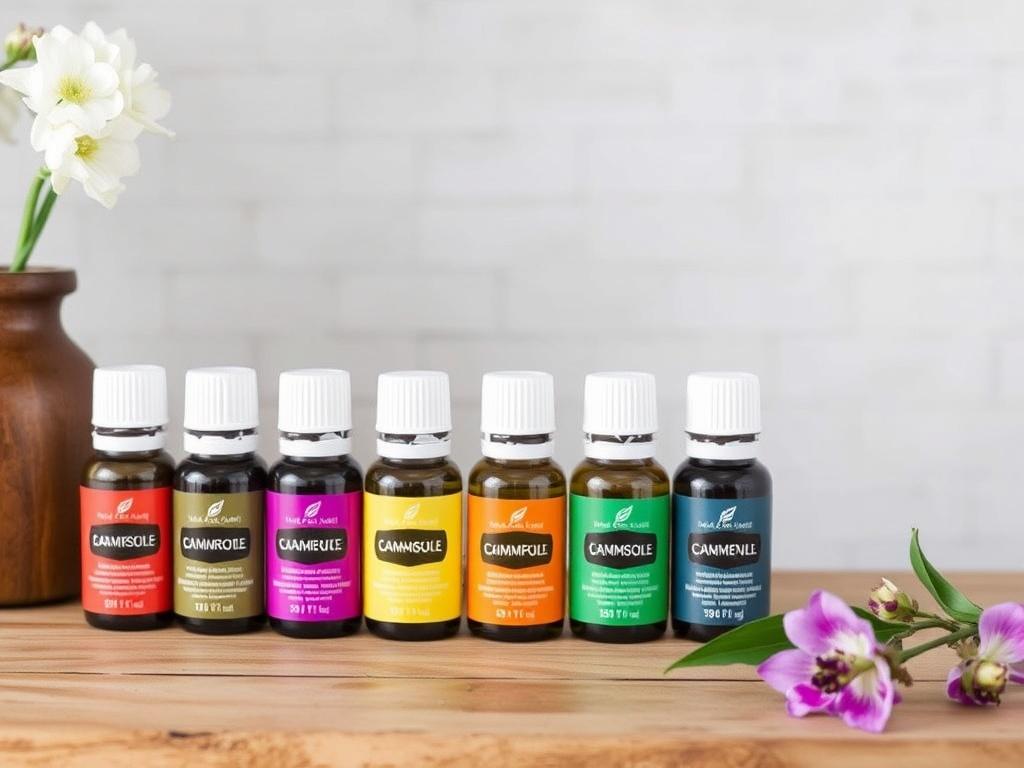
Packaging and scent matter, too. Clear labels, simple ingredient lists, and opaque bottles (which protect oils from light) are signs of a quality product. Avoid anything with hidden “fragrance” if you or your partner has sensitivities.
Preparing the Space: Small Details, Big Difference
Set up a single-minded environment. Dim lighting or candles, comfortable temperature, soft linens, and a place to set a glass of water or tea are all low-effort ways to lift the experience. Music should be gentle and present but not distracting; instrumental playlists or low-key jazz work well. If you plan to use candles for scent, place them safely and consider unscented options if you’re already using essential oils.
Before you begin, communicate. Ask about pressure, preferred areas to avoid, and whether any medical conditions exist. Agree on a safe word or signal for any adjustment—consent isn’t just polite, it’s essential and sexy in its own way.
Quick checklist before you start
- Sheet or towel spread under the massage area
- Oil warmed in your hands (never microwave the bottle)
- Phone silenced and interruptions minimized
- Clear, verbal consent and any limits discussed
Techniques That Enhance Pleasure—Simple, Effective, Respectful
Technique matters less than attention. Slow, intentional strokes communicate care. Start with broad, palm-based movements across the back and shoulders to distribute oil and settle nerves. Vary pressure and speed; alternate long, flowing strokes with shorter, focused motions on knot-prone areas like the base of the neck. Use the flats of your hands for comfort and forearms for broader, even pressure if you want a deeper sensation without tiring your hands.
Pay attention to breath. When hands and breath fall into rhythm, the receiver often drops into deeper relaxation. Small, purposeful pauses—holding a point of tension lightly for a few breaths—can feel surprisingly intimate because they force a shared stillness. Always stay aware of non-verbal cues: a shift away, tensing, or verbal discomfort means you adjust.
If the session will include truly sensual or intimate areas, discuss boundaries beforehand. Many people find that clear communication about what is and isn’t allowed creates a safer and more erotic atmosphere than any surprise could.
Safety, Hygiene, and Professional Considerations
Patch tests, clean hands, and trimmed nails are baseline hygiene. Keep oil away from eyes and open wounds. If either party has circulatory issues, recent surgery, or certain skin conditions, consult a healthcare professional before proceeding. For those seeking a professional experience, choose licensed therapists with clear policies and transparent pricing. Reviews and recommendations are useful, but pay attention to how a business communicates about consent, privacy, and boundaries.
Never pressure someone into a type of touch they’re uncomfortable with. Aftercare—sit quietly, offer water, and check in about how they felt—magnifies the connection and shows maturity.
Manhattan Nights: Where to Take the Mood After a Massage
Manhattan is a place of overlapping moods. A well-executed, intimate massage at home or in a private studio can be the opening act to a late-night foray into neighborhoods that have personality and warmth. Think low-lit cocktail bars, quiet jazz clubs, rooftops with views, and tucked-away dessert spots where conversations can land without rush.
Here are neighborhoods and venue types that pair naturally with a sensual evening:
- West Village — cozy, winding streets, intimate restaurants and wine bars
- SoHo — artful energy, upscale cocktails, and late-night lounges
- Meatpacking District — trendier nightlife and rooftop views
- Midtown — convenience and late-night hotel bars with dramatic skylines
- Lower East Side — eclectic, youthful spots with live music and late hours
| Spot Type | Vibe | When to go |
|---|---|---|
| Rooftop bar | Open air, skyline views, ideal for lingering | Late evening to catch lights and a relaxed crowd |
| Jazz club or lounge | Intimate, focused on mood and music | Evening shows—book ahead for better seats |
| Speakeasy-style cocktail bar | Secretive, cozy, great for quiet conversation | After dinner, for a quieter scene |
| Late-night cafe or dessert spot | Low pressure, sweet ending to the night | Anytime after a relaxed early evening |
Nighttime Intimacy and Etiquette in Manhattan
City nights reward those who move with intention. If you’re after intimacy rather than spectacle, choose quieter venues, reserve tables, and arrive a little early to settle. Respect public norms: what you do in private is private. In public, let your chemistry be subtle—touches that hint rather than declare keep both partners comfortable and the experience classy.
If you’re meeting someone new, prioritize consent, clarity, and personal safety. Share your plans with a friend if you’re going somewhere new, and use rideshare features that provide trip details. Easy planning—knowing where you’ll go after the massage—keeps the evening flowing without awkward pauses.
Image Suggestions for Visuals
For photographs to accompany this article, select images that convey warmth and professionalism: tasteful shots of warmly lit treatment rooms, hands working with oil on a shoulder, close-ups of elegant oil bottles and drips, and nighttime Manhattan vistas—rooftops, softly lit streets, and skyline views. If using human subjects, choose images of confident, relaxed women and massage therapists that look natural and consensual. Alt text examples: “Warm-lit massage table with oil bottle,” “Back massage with gentle palm stroke,” “Manhattan skyline at night from a rooftop.”
Quick Tips: Dos and Don’ts
- Do ask before touching sensitive areas; do establish boundaries first.
- Do warm the oil in your hands; cold oil jolts the senses the wrong way.
- Don’t use essential oils neat—always dilute them.
- Don’t push anyone into more intimacy than they want; consent is part of the experience.
- Do follow up—aftercare strengthens connection and trust.
Conclusion
Massage oils are a small investment that pays back in lowered tension, deeper connection, and nights that feel more considered. Paired with clear communication, basic safety, and a relaxed atmosphere, they make a home session feel cinematic and real. If you take that energy into Manhattan’s evenings—rooftops, jazz rooms, or quiet wine bars—you extend the feeling: purposeful, sensual, and respectful. Keep it simple, keep it consensual, and let the night unfold one warm stroke at a time.
Suggested social hashtags for sharing: #SensualMassage #MassageOils #ManhattanNights #CouplesCare #WellnessAfterDark #CityRomance